
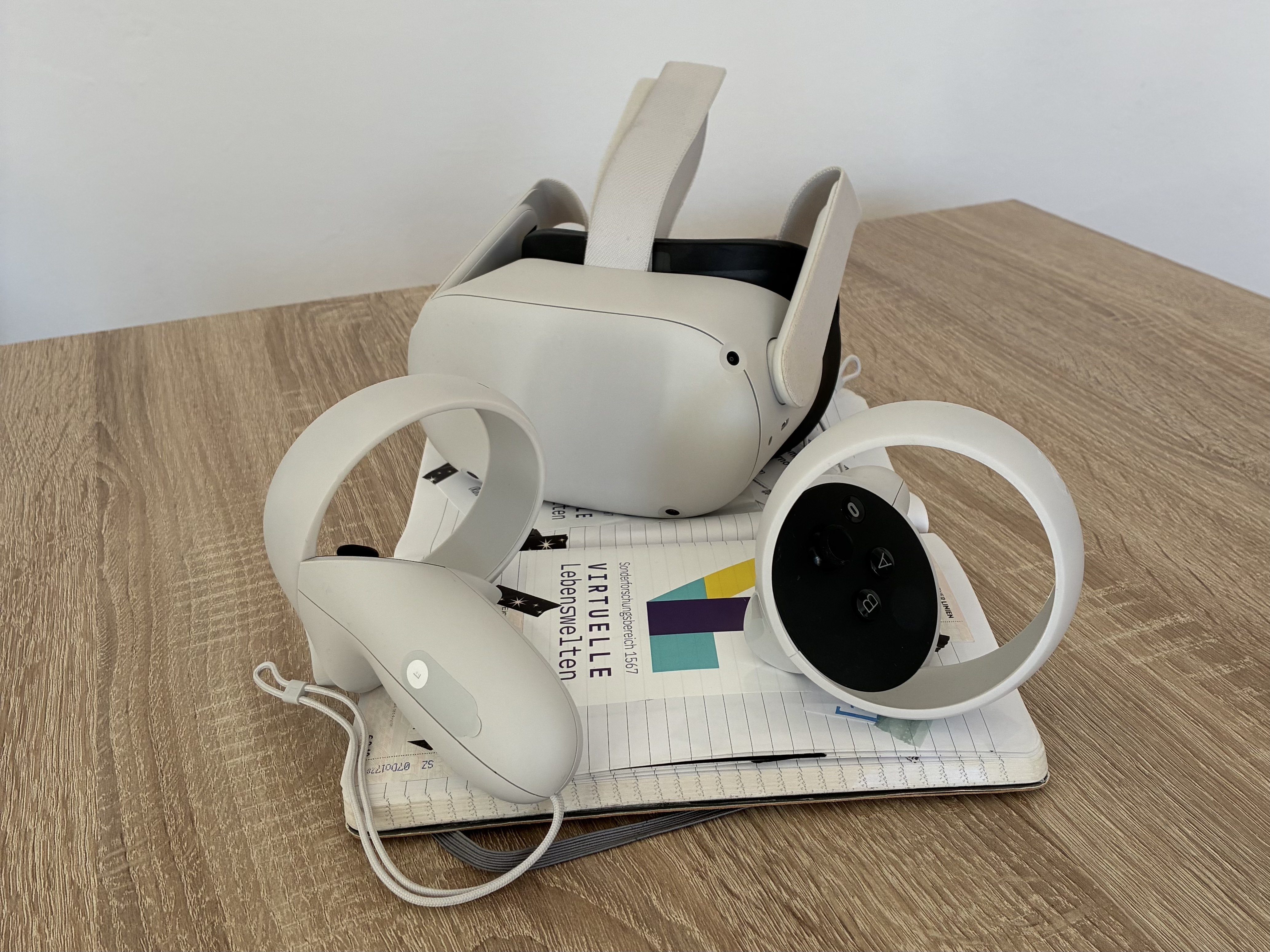
This article investigates the methodological implications of playing as historical actors within immersive virtual reality (VR) environments. Drawing on a PhD project examining over 20 history-related VR experiences, it combines phenomenological analysis of embodied gameplay with computational distant viewing techniques. The study foregrounds virtual embodiment as both an epistemic tool and a subject of inquiry, showing how first-person interaction with historical environments—ranging from Renaissance Venice in Assassin’s Creed Nexus VR to the lunar mission in Apollo 11 VR—enables researchers to experience history kinesthetically and cognitively. A systematic selection of VR titles illustrates diverse strategies of perspective, interactivity, and narrative framing, highlighting how iconic figures and ‘ordinary’ historical actors are mediated through digital simulations. Phenomenological observations reveal the fragility and situatedness of immersion, where bodily action, system constraints, and unanticipated disruptions co-produce historical meaning. The article argues for a methodological pluralism in digital public history: scholars must oscillate between immersion and analytical distance to understand how VR shapes historical consciousness. Ultimately, playing as a historical actor emerges as a productive research practice, revealing the dynamic negotiation of past and present within immersive media.
Smirnov, R. (2026). To play as a historical actor: A case study in phenomenological research on virtual embodiment in historyrelated immersive VR media. The February Journal, 06, 88–107. DOI: https://doi.org/10.60633/tfj.i06.120

This work is licensed under a Creative Commons Attribution 4.0 International License.
Copyright (c) 2026 Roman Smirnov